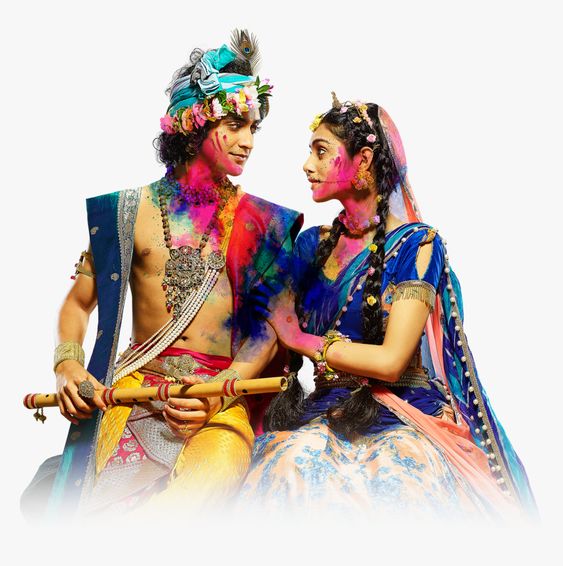
March is on the verge of ending with surprisingly two long weekends. Typically feeling to say famous dialogue from the Bollywood movie Sholay “Holi Kab hai, Kab hai Holi (When is Holi?). Can’t believe 2024 is passing by so fast that we have reached the Festival of Colours as well.
There is a totally different vibe on Holi, everybody just wants to splash colours, throw water, get drenched and have the best of their time. And why not because summers are here and the temperature is about to rise! Being a winter person I’m not a summer person, especially lately. Those were the days when summers were my only favourite because I used to get a month-long summer vacation. Indeed school days were golden.
With lots of heritage and cultural values with rich history, Holi has always been a special festival for me because I get the opportunity to spend some quality time with my family. From lip-smacking breakfast like Fafda Jalebi to immersing in interesting facts and anecdotes from my mother and my grandma is a different level of fun.
Always been a storyteller and never left a moment to listen to one and create simultaneously. As it’s Holi, let me enlighten your knowledge with some interesting facts about this vibrant festival. You might be aware of some of them but some might be new.
Holi’s Astronomical Connection:
Holi is celebrated at the onset of spring, aligning with astronomical events. It falls on the full moon day (Purnima) of the Hindu lunisolar calendar month of Phalgun, marking the transition from winter to spring. This celestial timing adds a deeper significance to the festival’s celebration of renewal and rejuvenation.
Legends Beyond Radha and Krishna:
While Radha and Krishna’s playful love is central to Holi mythology, there are lesser-known legends associated with the festival. One such story involves the demoness Dhundhi, who was defeated by the pranks of local children, leading to the tradition of playing with colours.
Regional Ritual Variations:
Holi is celebrated differently across India’s diverse regions, with unique customs and rituals. For instance, in Tamil Nadu, the festival is known as Kamavilas and involves worshipping Kamadeva, the god of love, while in Punjab, it coincides with the Sikh festival of Hola Mohalla, focusing on martial arts displays.
Traditional Herbal Remedies:
In Ayurveda, Holi colours were originally derived from natural sources such as flowers, herbs, and spices, known for their medicinal properties. Turmeric, neem, and beetroot extracts were used for their antiseptic and cooling effects, promoting skin health amidst the revelry.
Sufi Influence on Holi Music:
In regions like Uttar Pradesh and Rajasthan, Sufi mystics introduced Qawwali performances during Holi celebrations. These devotional songs, praising divine love and spiritual union, add a unique dimension to the festival’s musical festivities, transcending religious boundaries.
Holi and Women’s Empowerment:
In some parts of India, particularly in the villages of Uttar Pradesh and Bihar, women play a central role in organizing and leading Holi celebrations. This tradition reflects a shift towards greater gender equality and empowerment within rural communities.
Scientific Benefits of Holi Colors:
Certain natural colours used during Holi, such as turmeric and marigold extracts, contain compounds with antibacterial and antioxidant properties. These colours not only add vibrancy to the festivities but also contribute to skin health and immunity.
Social Commentary Through Rangolis:
In Maharashtra, women create intricate rangoli patterns outside their homes during Holi, using vibrant colours and geometric designs. These rangolis often convey social messages, ranging from environmental conservation to gender equality, adding a subtle layer of activism to the celebrations.
Holi’s Influence on Art and Literature:
Over the centuries, Holi has inspired poets, painters, and writers to capture its essence in their works. From Kalidasa’s classical Sanskrit poetry to modern Indian literature and contemporary art, Holi serves as a muse for creative expression and cultural exploration.
Global Holi Festivities:
Beyond India, Holi is celebrated in various parts of the world, including Nepal, Sri Lanka, Fiji, and parts of the Caribbean and North America. These international celebrations not only showcase India’s cultural diversity but also foster cross-cultural understanding and solidarity.
Many of these facts were totally new to me when I was researching about it, however, they have been known and considered to be a part of the culture for ages. Let me know in the comments how many of them have you heard about.
Also, Happy Holi my lovely readers, may this festival bring lots of colours and happiness to your life. Till then Happy Sunday.
 Travellogs