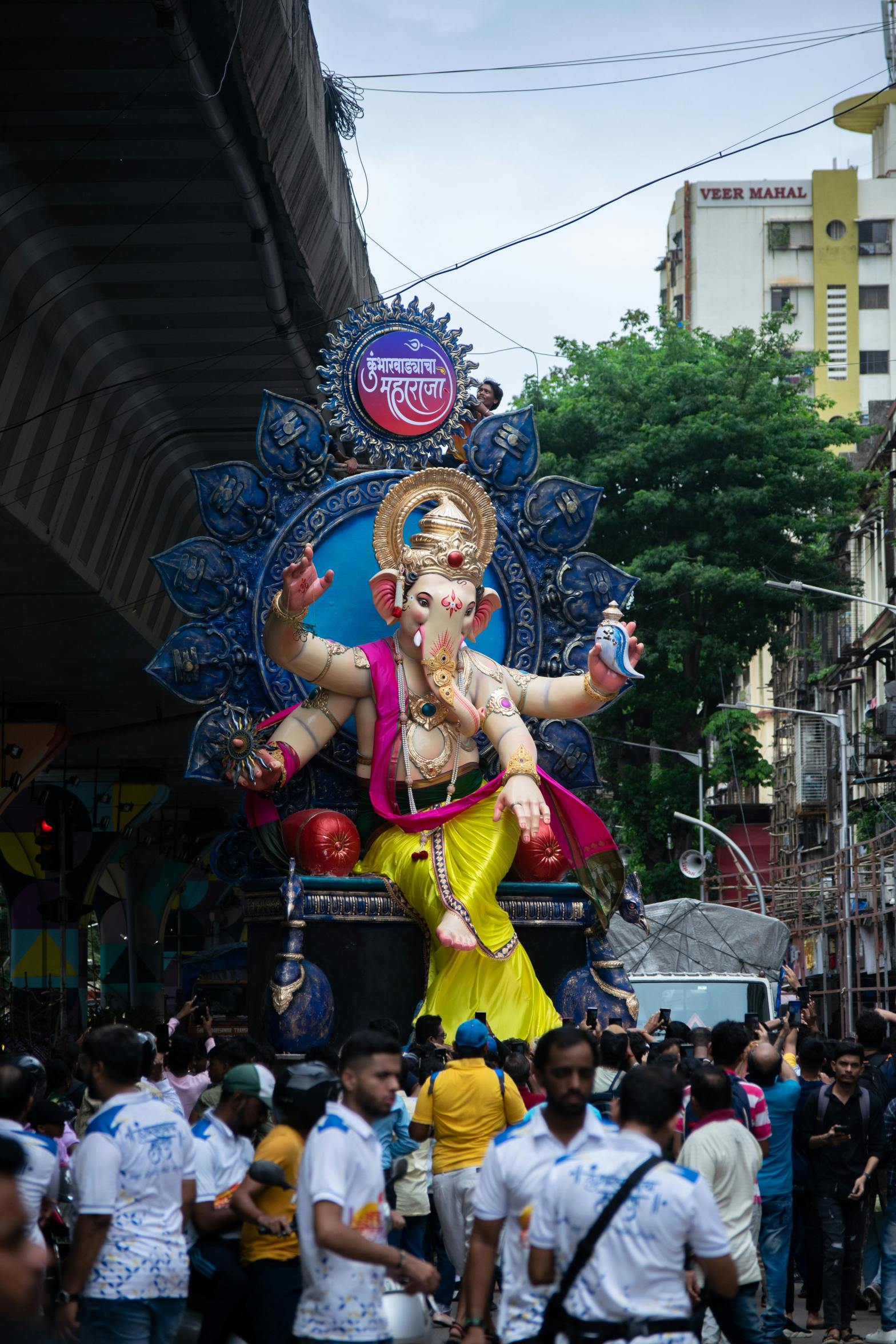
The city of dreams is not dreamy just because of its crowd, vibes landscape and iconic spot. Culture plays a pivotal role in making the city one of the most loveable cities in the world. As a Mumbaikar, I always feel blessed to be brought up in such a place where time is the most valuable thing and every moment is meant to be cherished in the most surreal way.
Can you believe we are just 6 days away from the Agman of Bappa? Finally, it’s the time of the year once again when the entire city immerses itself in the devotion of Ganesha and offers their prayers by welcoming them into their home and hearts. In the city of Mumbai, the procession of welcoming Bappa is not just limited to a tradition of the festival but is an emotion for everyone.
That connection between Ganesha and the city of Mumbai is so pure, real and overwhelming that just by observing it and catching up the very glimpse of it you would end up with goosebumps.
Did you know?
Did you know that the Ganapati festival in Mumbai isn’t just a celebration, but a vibrant community experience?
It’s a time when neighborhoods come alive with music, dance, and an incredible sense of togetherness. Whether you’re a local or a visitor, you can’t help but feel like part of the family.
Did you know the festival’s origins in Mumbai date back to the late 19th century?
It was Lokmanya Tilak, a prominent freedom fighter, who transformed it from a private family affair into a public event. His vision was to unite people and foster a sense of unity against colonial rule. Today, that spirit of unity still resonates across the city.
Ever wondered why Mumbai’s Ganapati idols are so grand?
The competition for the tallest and most intricately designed idol is fierce, with some reaching heights of over 20 feet! But it’s not just about size—each idol tells a story, with themes ranging from traditional to contemporary, reflecting the city’s dynamic culture.
Did you know that each year, Mumbai hosts over 150,000 Ganapati idols?
From small household idols to grand public ones, each plays a unique role in the festival. And despite the scale, every idol, no matter how big or small, is treated with the same reverence.
Here’s a heartwarming fact: the festival’s last day, known as Anant Chaturdashi, is when the idols are immersed in water—a practice called Visarjan.
It’s a bittersweet moment, as devotees bid farewell to Lord Ganesh with chants and prayers, believing he will return next year to bless them again. The sight of thousands of idols being carried to the sea is a powerful symbol of the city’s faith and devotion.
Did you know that the eco-friendly movement is gaining momentum during the festival?
More and more Mumbaikars are opting for idols made from clay, natural colors, and even plant seeds, which dissolve harmlessly in water, ensuring that the celebration is as kind to the environment as it is joyful.
And did you know that the festival’s music is a genre of its own?
From traditional drums to Bollywood hits, the beats of the Ganapati festival are infectious. Don’t be surprised if you find yourself tapping your feet to the rhythm—it’s all part of the experience!
Iconic traditions of Ganpati festival
1. Bringing Home the Idol:
One of the most cherished traditions is bringing home a Ganpati idol. Families carefully select an idol, often after visiting multiple shops, to find the perfect one. Once the idol is home, it’s welcomed with rituals, songs, and prayers, creating a deeply spiritual atmosphere.
2. Public Mandals:
The festival isn’t complete without the grandeur of public Ganpati mandals. These are large community setups, often themed and decorated with intricate designs. Some of the most famous mandals in Mumbai, like Lalbaugcha Raja and GSB Seva Mandal, draw millions of devotees and tourists eager to catch a glimpse of the beautifully adorned idols.
3. The First Aarti:
The first aarti, or prayer, performed after bringing the idol home is a significant moment. Families gather to sing praises to Lord Ganesh, offering sweets like modak, which is considered his favorite. The first aarti marks the beginning of the 10-day festival, filled with devotion and joy.
4. Cultural Performances: During the festival, many mandals host cultural performances, including traditional dances, music recitals, and plays. These events bring communities together, offering entertainment and a platform for local artists to showcase their talents.
5. Street Food Delights: No festival in Mumbai is complete without indulging in its iconic street food. During Ganpati, the streets near mandals are lined with stalls offering everything from vada pav to modaks. The air is filled with the aroma of delicious snacks, making it a feast for both the eyes and the taste buds.
6. The Immersion of Clay Ganesh Idols in Ponds: While sea immersions are the most iconic, some Mumbaikars have embraced a lesser-known tradition of immersing clay idols in specially prepared ponds or artificial tanks. These eco-friendly immersions are often organized by local communities and NGOs to prevent pollution of natural water bodies, reflecting a growing awareness and responsibility toward the environment.
Must visit pandals of Mumbai during Ganapati festival
Lalbaugcha Raja:
Perhaps the most famous of all, Lalbaugcha Raja in the Lalbaug area is a must-visit during the festival. Known as the “King of Lalbaug,” this pandal attracts millions of devotees every year. The idol is known for its grandeur and the deeply spiritual aura that surrounds it. The queue for darshan (viewing) can be long, but the experience is unforgettable.
2. GSB Seva Mandal, King’s Circle:
Considered the richest Ganpati in Mumbai, the GSB Seva Mandal is known for its traditional rituals and the idol, which is adorned with several kilograms of gold and precious jewels. This pandal is also unique for its eco-friendly clay idol and strict adherence to Vedic rituals, offering a serene and sacred atmosphere.
3. Khetwadi Ganraj, Khetwadi:
Khetwadi is a vibrant area with multiple lanes, each hosting its own Ganpati idol, but the Khetwadi Ganraj in the 12th lane stands out. The idol here is known for its immense size and intricate design, often featuring themes based on mythology. The pandal decorations are equally impressive, making it a visual treat.
4. Andhericha Raja, Andheri:
Andhericha Raja is another iconic pandal, known for its unique themes and the fact that the idol remains immersed longer than others, usually until Sankashti Chaturthi. This pandal is deeply rooted in tradition, and it’s famous for fulfilling the wishes of devotees, earning it the title of “Navsacha Ganpati” (wish-fulfilling Ganpati).
5. Chinchpokli Chintamani, Chinchpokli:
One of Mumbai’s oldest Ganpati pandals, Chinchpokli Chintamani, has a legacy that dates back over a century. The idol is known for its distinct and serene expression, and the pandal is celebrated for maintaining a balance between tradition and grandeur. It’s a must-visit for those who appreciate the historic and cultural significance of the festival.
6. Ganesh Galli Mumbaicha Raja, Parel:
Located near Lalbaugcha Raja, Ganesh Galli’s Mumbaicha Raja is famous for its elaborate and creative themes. Each year, the pandal showcases intricate replicas of famous temples or cultural landmarks, making it a popular stop for those interested in artistic and architectural excellence.
7. Keshavji Naik Chawl, Girgaon:
Known as Mumbai’s oldest Sarvajanik Ganpati, this pandal in Girgaon has been celebrating Ganesh Chaturthi since 1893. The simplicity and historical significance of this pandal make it a must-visit for those who want to experience the festival’s roots in Mumbai. It’s a place where you can feel the true essence of the community-driven celebrations that Lokmanya Tilak envisioned.
8. Fort Vibhag Ganeshotsav Mandal, Fort:
This pandal is known for its unique blend of tradition and innovation. The idol is always beautifully crafted, and the decorations often reflect contemporary themes, addressing social issues or celebrating cultural heritage. It’s a thoughtful and artistic place to visit during the festival.
The most iconic festival of Mumbai is here and so is the time to immerse yourself in this magical aura of the city. Finding a reason to explore and experience the colourful culture of the city, couldn’t be any better than this.
Let me know in the comments your thoughts about this festival also, have you ever experienced the beauty of the celebration? Being a Mumbaikar I would say you must at least once in life time.
Till then Happy Sundaying!
 Travellogs