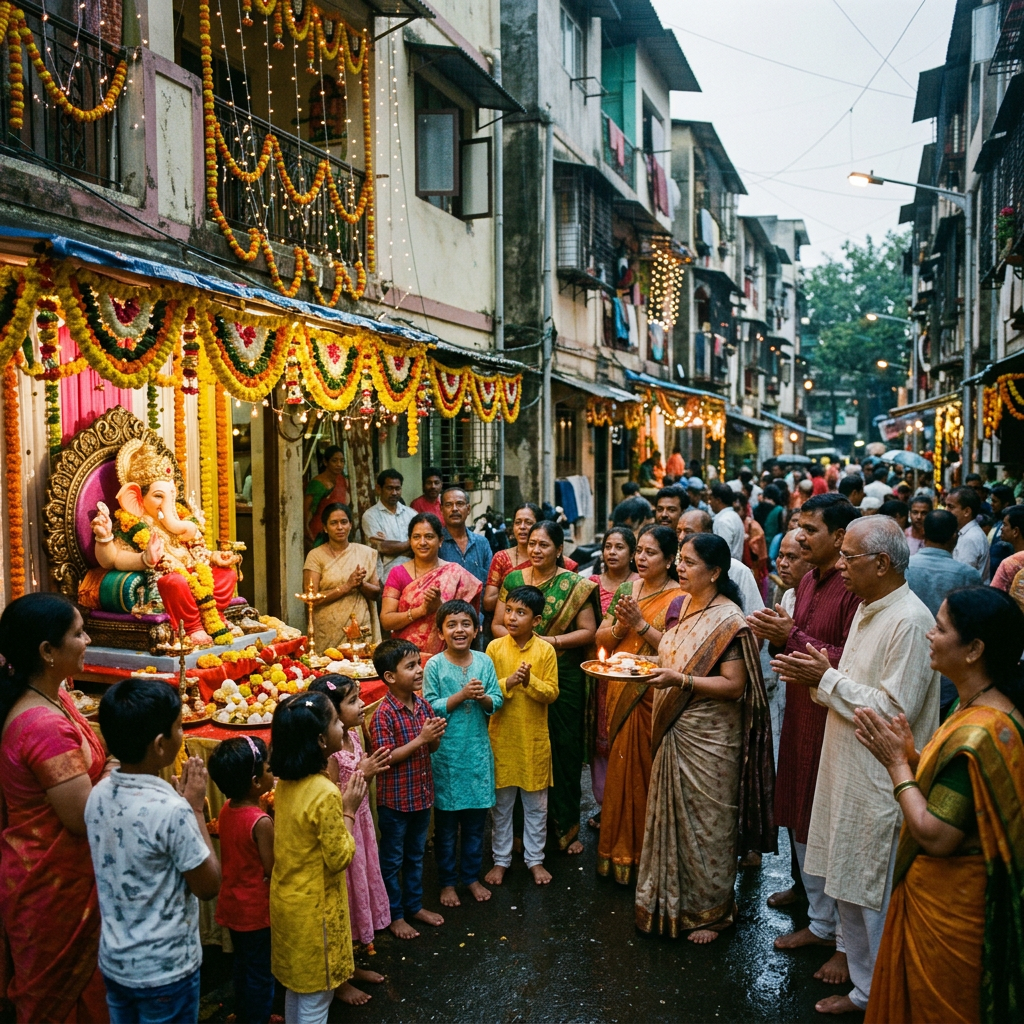
It’s raining.
Pitter and patter and here I’m sitting, getting pretty much excited and overwhelmed with the feeling that from tomorrow all I’m going to hear is the chanting and aarti of Lord Ganesha, aka Ganpati Bappa, aka our Ganu!
After a long time, Monday is not going to be all about the blues; it’s going to be more about the divine aura and energy of the most awaited festival of the year. Being brought up in the Financial Capital of India, since the moment I started to understand the world, I have seen Mumbaikars gearing up and immersing themselves in the preparation 4-5 months in advance.
The Mumbaikars are pretty much aware of the reasons and stories behind kick-starting this cultural festival, but surely there is more to it. Rather than the usual Ganeshotsav guide, treat this as a story, a walk through memory lane, down one of the most celebrated festivals around the world.
Because Ganpati is not just a festival in Mumbai
Ask any Mumbaikar what Ganpati means to them and chances are, you won’t get one straightforward answer.
For some, it is the 11-day celebration at home. For some, it is standing in a queue for hours just to catch one glimpse of Bappa. For some, it is modaks made at home, flowers bought from the neighbourhood market and waking up early for the morning aarti.
And for some of us, it is simply that feeling.
That feeling when you step out of your house and realise that Mumbai suddenly looks a little different.
The streets are decorated. The mandals are being prepared. Someone somewhere is practising the dhol. There is a new idol arriving in a building nearby. The flower sellers are suddenly busier than usual and every second person seems to have a story about which Ganpati they are going to visit this year.
Mumbai doesn’t really wait for Ganpati.
Mumbai prepares for him.
The Ganpati I remember
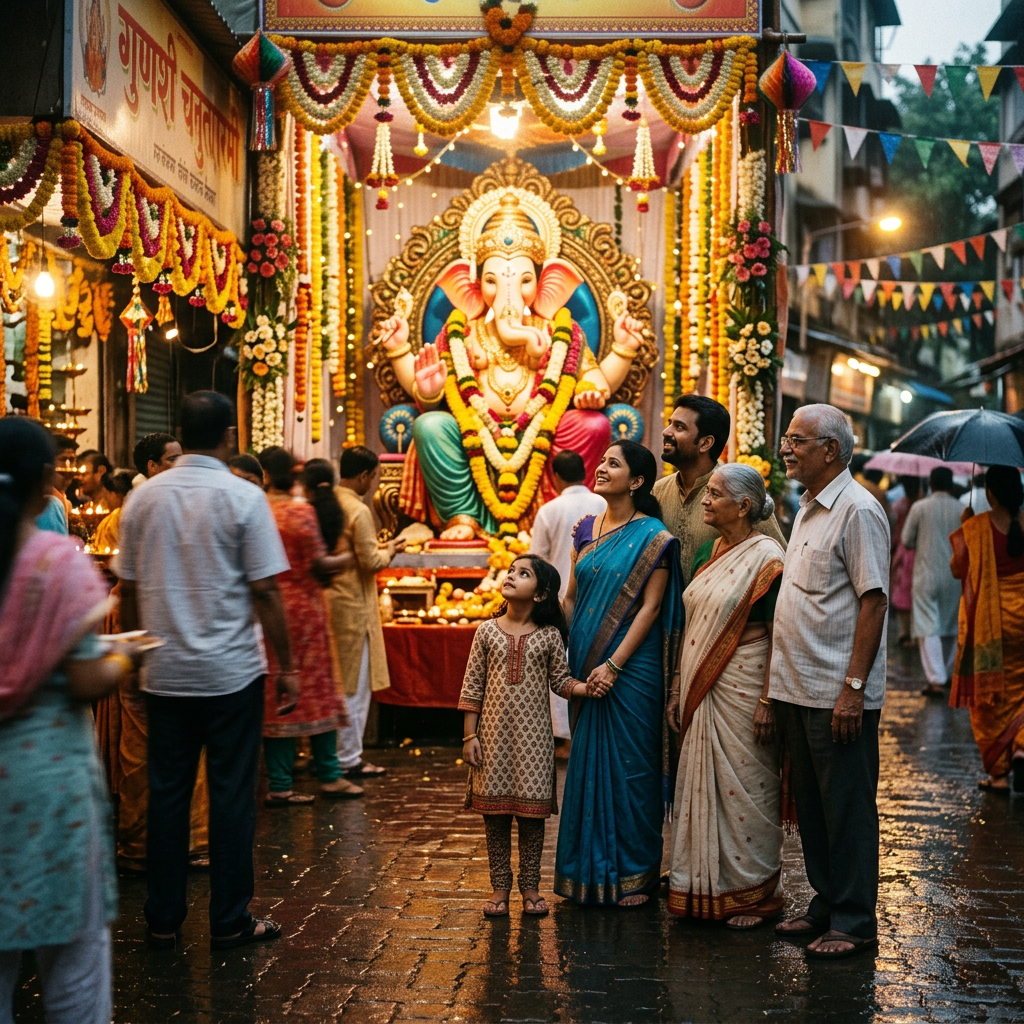
My earliest memories aren’t about the history of Ganeshotsav.
They are much simpler.
They are about getting dressed up and going with family to see Ganpati.
About being told to behave because we were entering a mandal.
About looking up at idols that seemed enormous when I was a child.
About trying to spot the decoration before everyone else.
About eating prasad and waiting for the modak.
And, of course, about hearing “Ganpati Bappa Morya!” from somewhere in the crowd and automatically saying it back.
As a child, I never really understood why everyone was so excited.
I just knew that something was happening.
Something big.
Something beautiful.
And now, years later, I think I finally understand it.
The city changes when Bappa arrives
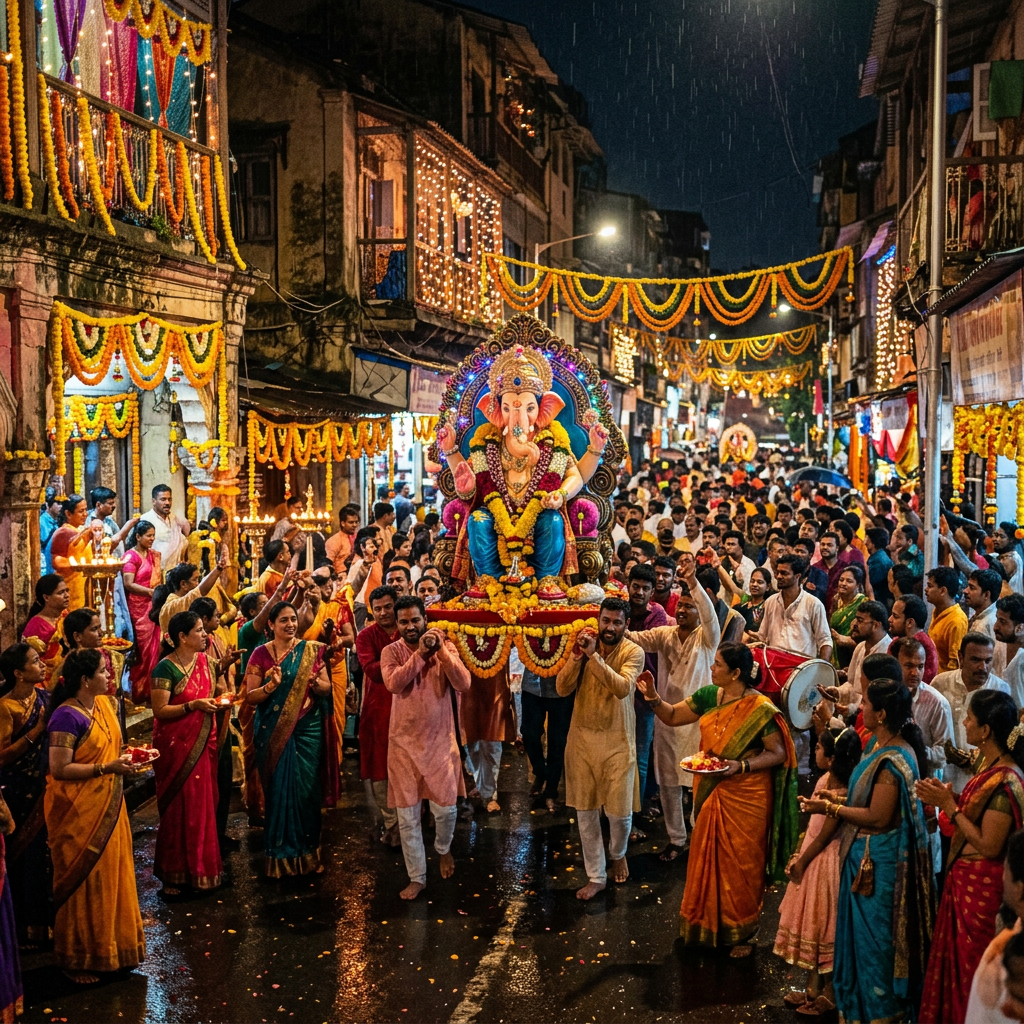
There is something about Mumbai during Ganpati that cannot really be explained to someone who hasn’t experienced it.
The same roads that usually have people rushing to offices suddenly have processions.
The same buildings where neighbours barely manage a polite hello suddenly have people sitting together for aarti.
The same city that is constantly running suddenly finds time to stop.
Maybe not completely.
This is Mumbai, after all.
The trains will still be crowded. The roads will still have traffic. Someone will still be complaining about the rain. Someone will still be late for work.
But somewhere between all of this, there will be a Ganpati mandal.
And somehow, that is enough to change the mood of the entire neighbourhood.
From one gali to another
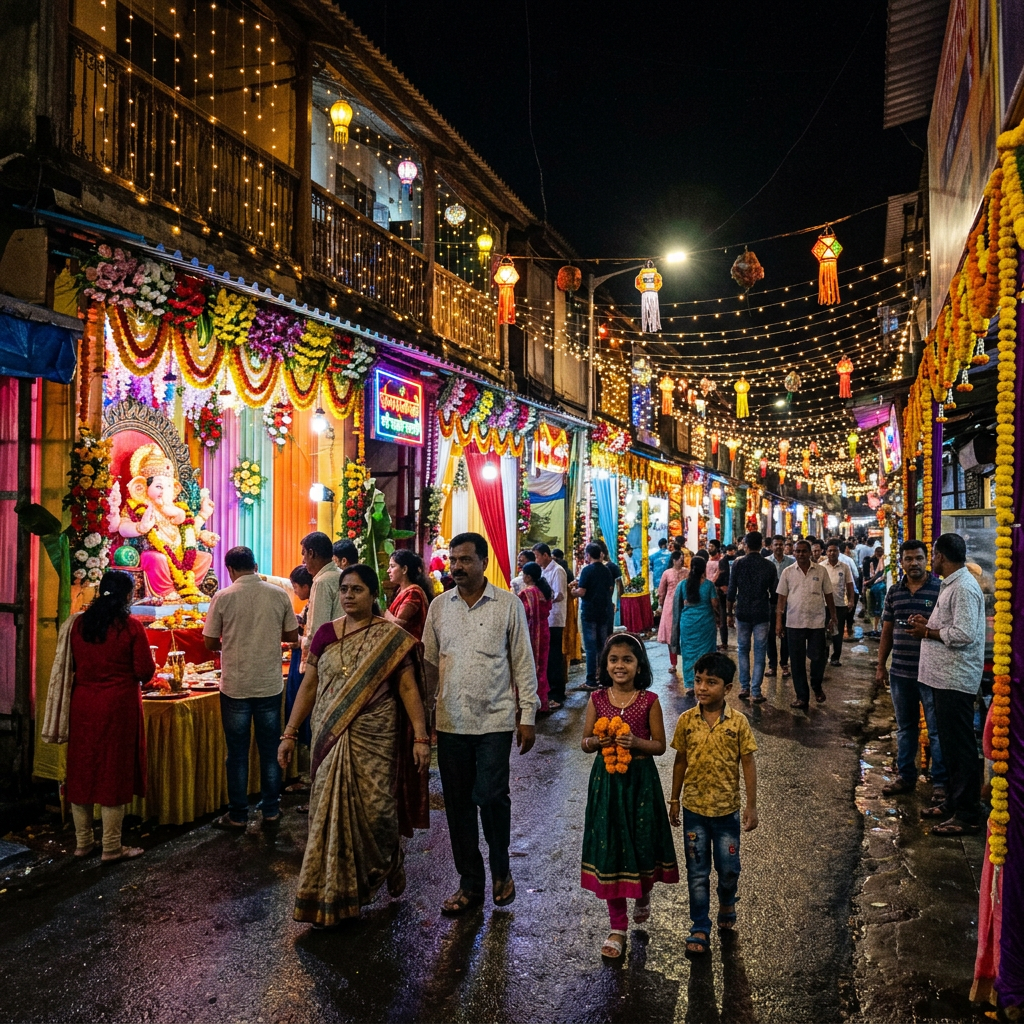
One of my favourite things about Ganpati is that you don’t really need a plan.
You can start with one mandal and somehow end up visiting five.
You walk because there is music playing ahead.
You stop because you see a beautiful idol.
You turn into another lane because someone says, “Arre, idhar ka Ganpati bhi dekh!”
And before you know it, you have spent hours walking through Mumbai.
There is something beautifully unplanned about it.
No itinerary.
No Google Maps.
No “top 10 Ganpati pandals to visit”.
Just follow the sound of the dhol and see where Bappa takes you.
And then there is the aarti
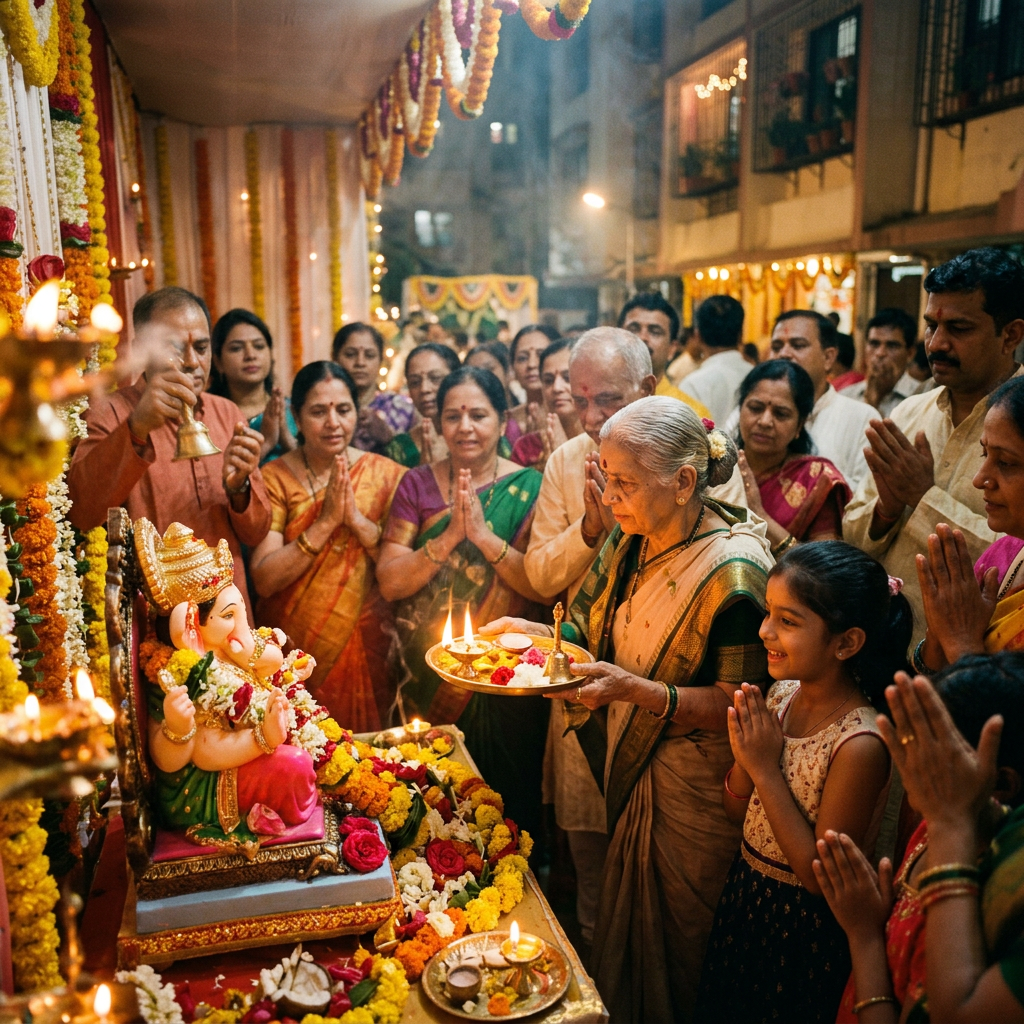
If there is one sound that can instantly make Mumbai feel like home, it has to be the Ganpati aarti.
The bells.
The claps.
The voices coming together.
The smell of incense.
The little kids trying to sing every word correctly.
The older aunties who somehow know the entire aarti by heart.
And that one person who is always singing slightly louder than everyone else.
It doesn’t matter whether you know every word.
You still join in.
Because for those few minutes, nobody really cares who you are, where you work, how late you are, or what tomorrow looks like.
You are just there.
With Bappa.
There is a reason Mumbai calls him Ganu
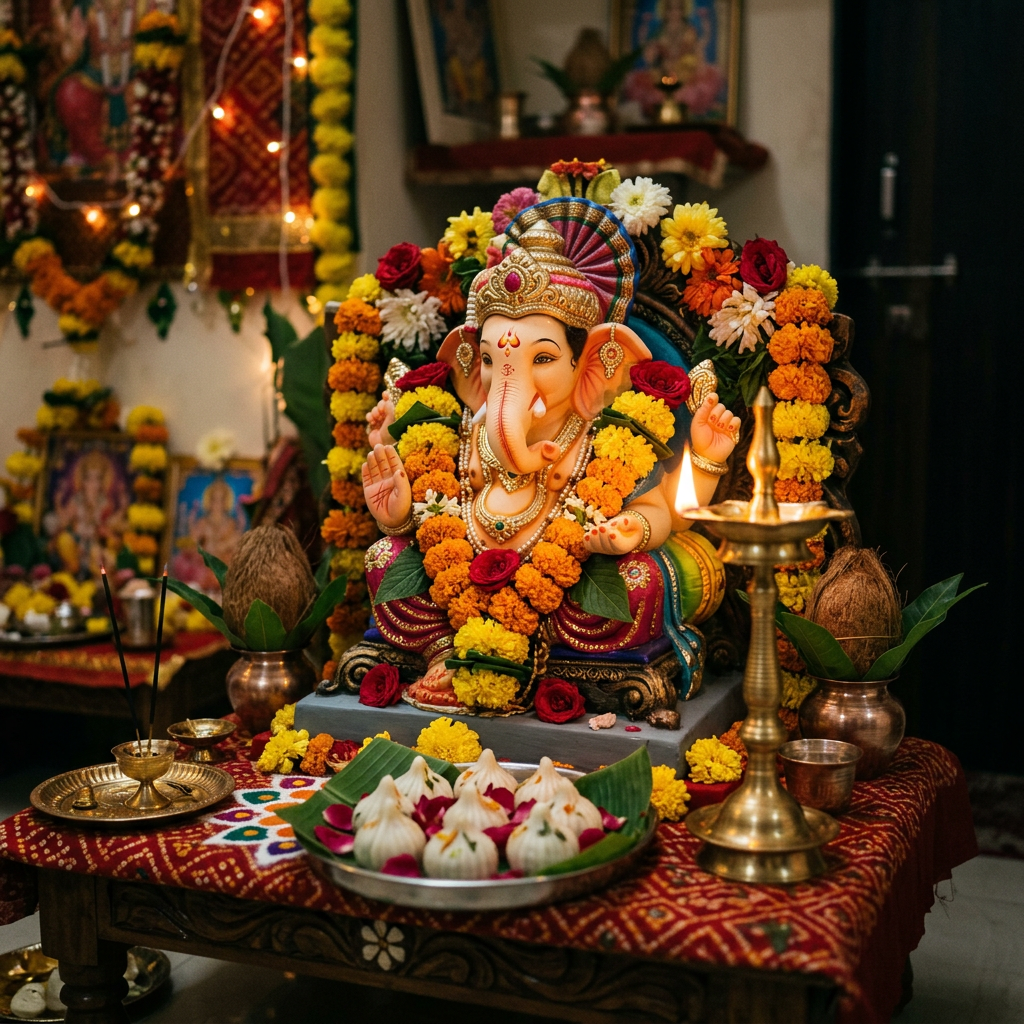
Maybe that’s why we don’t always call him Lord Ganesha.
We call him Bappa.
Ganu.
Ganpati.
Our Bappa.
There is a certain intimacy in the way Mumbai talks about him.
We invite him into our homes like family.
We celebrate his arrival like a loved one is coming back after a long time.
We make his favourite food.
We decorate a little corner for him.
We wake up early for him.
And then, when it is time for him to leave, we cry.
Because somewhere between the aarti and the modaks, the decorations and the dhol, he stops feeling like an idol.
He becomes part of the family.
And then comes visarjan
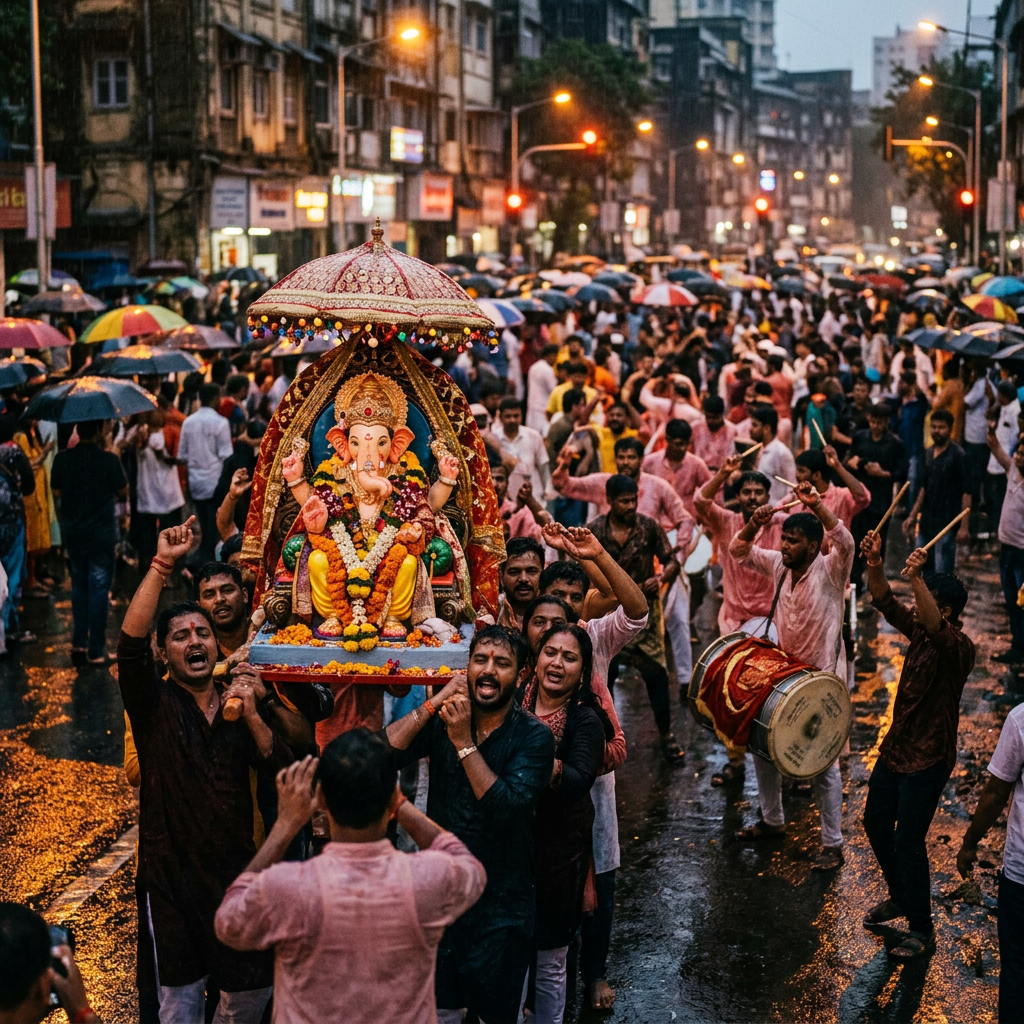
This is perhaps the strangest part of the entire celebration.
We spend days waiting for him.
We decorate.
We celebrate.
We pray.
We dance.
We make memories.
And then suddenly, it is time to say goodbye.
The streets become louder.
The dhols get louder.
The chants of “Ganpati Bappa Morya” get louder.
But somewhere underneath all that noise, there is a tiny sadness.
Because we know that the person we waited so eagerly for is leaving.
And yet, every Mumbaikar knows the other half of the chant.
Ganpati Bappa Morya, pudhchya varshi lavkar ya.
Come back soon next year.
Not someday.
Not when you can.
Next year.
Because that’s the promise Mumbai makes to Bappa every single time.
Maybe that is what makes Ganpati so special
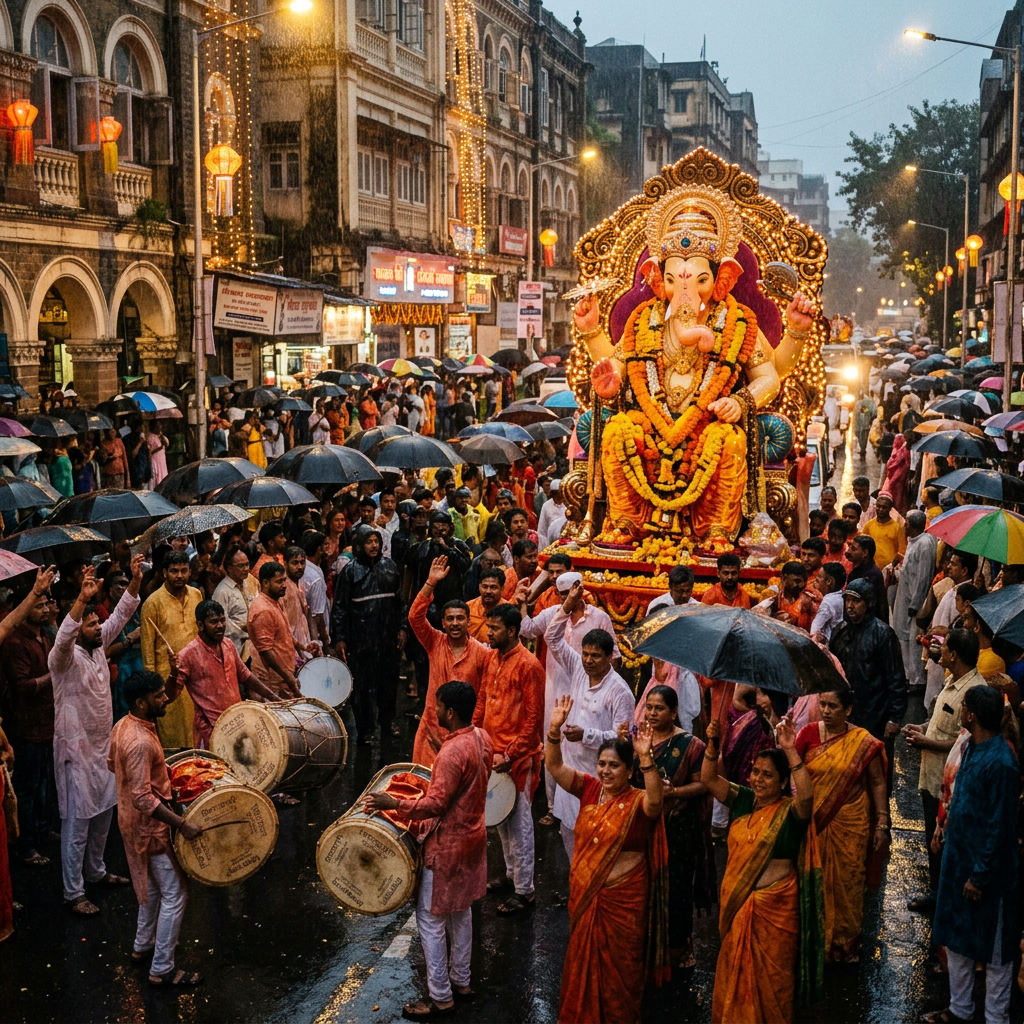
It isn’t just the grandeur.
It isn’t just the massive idols, beautiful decorations, famous mandals or the endless list of places people tell you to visit.
It is the feeling of belonging.
It is the little Ganpati sitting in someone’s living room.
It is the society watchman helping with the decorations.
It is the kid practising the aarti.
It is the neighbour distributing modaks.
It is the stranger making space for you in a crowded lane.
It is the sound of dhols travelling through the windows on a rainy Mumbai evening.
It is the city coming together, even if only for a few days.
And perhaps, that is why Ganpati feels different when you grow up in Mumbai.
You don’t just witness the festival.
You grow up with it.
So, tomorrow when Bappa arrives…
I know the city will wake up differently.
There will be flowers at the doors.
There will be music somewhere in the distance.
There will be people carrying idols with their eyes filled with excitement.
There will be traffic, crowds, rain, noise and probably a lot of walking.
And honestly?
I wouldn’t have it any other way.
Because after a long time, Monday isn’t Monday.
It is Ganpati.
And Mumbai isn’t just Mumbai.
It is a city waiting to welcome its favourite guest.
So, here’s to the aartis, the modaks, the crowded lanes, the pandals, the rain, the memories, the dhols and everything that makes these days feel a little more magical.
Ganpati Bappa Morya!
And Bappa, if you’re listening—
pudhchya varshi lavkar ya.

